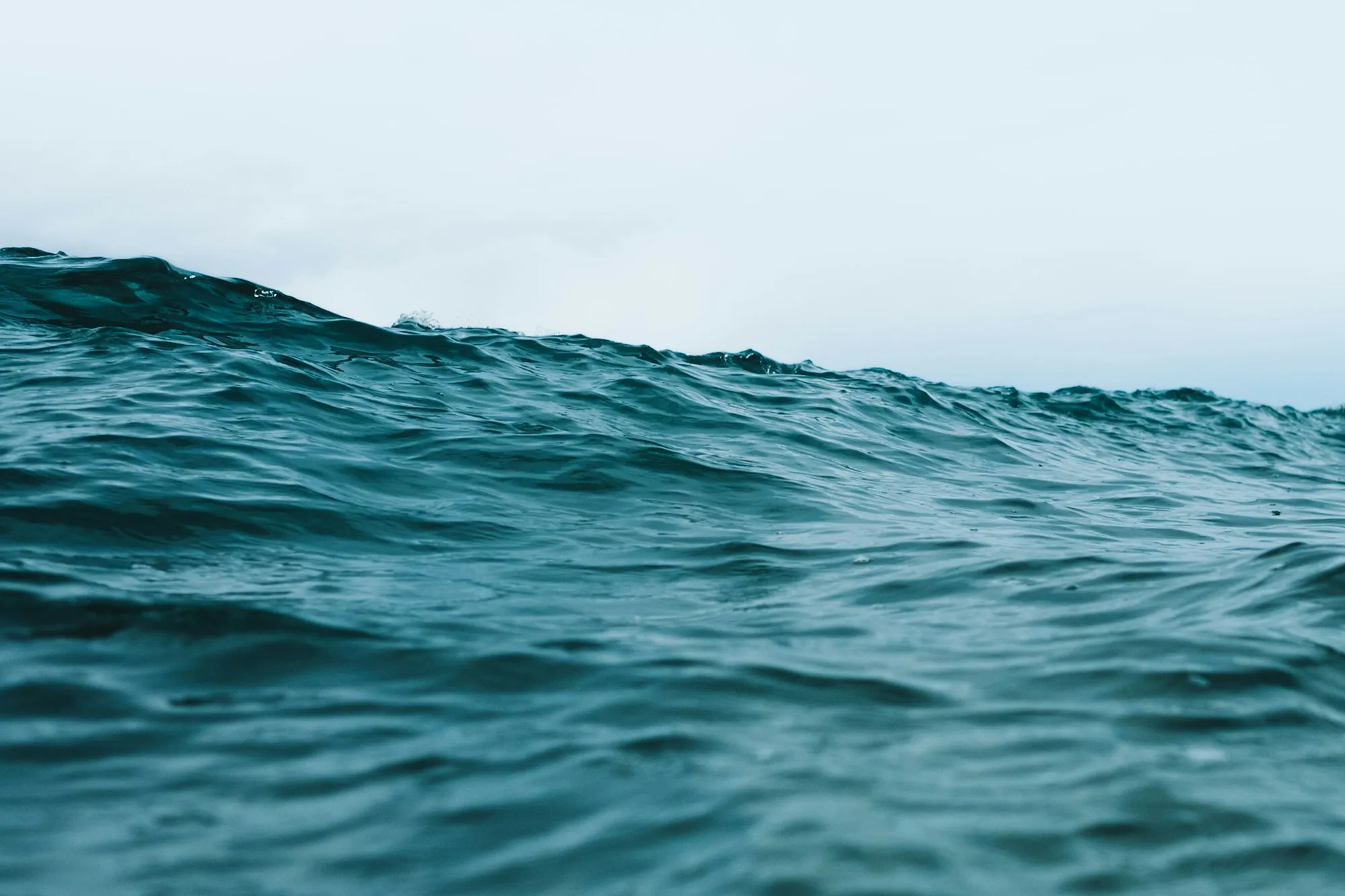
Where is Sidi Kaouki?
Sidi Kaouki is a small village and a long sandy beach about 25 km south of Essaouira, on Morocco’s Atlantic coast. The beach runs for several kilometres and faces straight onto the open ocean, with no headland to shelter it. The village is quiet and low-key, with a white marabout (a saint’s shrine) at the edge of the sand, and it feels a world away from Essaouira’s busy medina.
Most people reach it by road from Essaouira, which usually takes around half an hour. Imsouane is further south, about 90 minutes from Essaouira and roughly 2 hours north of Agadir.
What are the waves like at Sidi Kaouki?
Sidi Kaouki is a beach break. The waves break over sandbanks that move with storms and tides, so the best peaks change from week to week and sometimes from day to day. When the sandbanks are in good shape you can find fun lefts and rights. On bigger swells, though, the beach tends to close out, with long sections that break all at once.
Because the beach is so exposed, it picks up a lot of north-west Atlantic swell. That means there are often waves when more sheltered spots are flat. It also means there is very little protection when the swell gets big or messy. Currents run along the beach and out through the channels between sandbanks, so watch how the water moves for a few minutes before you paddle out.
Why is Sidi Kaouki so windy?
This part of the coast, from Essaouira down to Sidi Kaouki, is known for strong, steady winds from the north and north-east. They are usually strongest from late spring through summer, which is why Sidi Kaouki has long been a kitesurfing and windsurfing beach. On a windy summer afternoon you will often see more kites than surfboards.
For surfers, the wind is the main thing to plan around. It usually blows across or onshore, which breaks up the wave faces. Early mornings tend to be calmest, and some winter days stay light for longer.
When is the best time to surf Sidi Kaouki?
The north-west swell along this coast is most consistent from September to April. Those months, combined with the lighter winds that winter often brings, give Sidi Kaouki its best chance of clean surf. From May to August the swell is usually smaller and the wind stronger, so most surfers head somewhere more sheltered, and the kiters take over the beach.
| Period | Swell | Wind at Sidi Kaouki | Who the beach suits |
|---|---|---|---|
| September–November | Building, often consistent | Moderate, often calmer mornings | Intermediate surfers |
| December–February | Biggest of the year | Often lightest on average | Experienced surfers; it can be big and closing out |
| March–April | Still consistent | Starting to build | Intermediate surfers, early sessions |
| May–August | Smallest | Strongest and most persistent | Kitesurfers and windsurfers |
Is Sidi Kaouki good for beginners?
It can be, but it is not the easiest place to learn. On small, light-wind days the inside whitewater is gentle enough for lessons. On most other days, beginners have to deal with shifting peaks, closeouts and currents, which makes it tiring and harder to progress. Don’t assume a lifeguard will be on duty, and if you are new to surfing, go with someone who knows the beach.
Intermediate surfers who can read a beach break and spot a rip will get the most out of it, especially on clean autumn and winter mornings.
How does Sidi Kaouki compare to Imsouane?
The two spots are only a drive apart, but they surf very differently. Sidi Kaouki is an open beach that takes the full force of the swell and the wind. Imsouane’s Magic Bay is a long right-hand point break, roughly 800 metres, that peels over sand for much of its length. That makes it unusually forgiving for beginners and long, rewarding rides for experienced surfers. Cathedral Point, on the exposed side of Imsouane’s headland, is the more powerful option. It breaks over rock and is better left to experienced surfers.
| Sidi Kaouki | Imsouane (Magic Bay) | |
|---|---|---|
| Wave type | Beach break, shifting peaks | Right-hand point break, about 800 m |
| Bottom | Sand | Sand for much of its length |
| Exposure | Fully open to swell and wind | Tucked beside a headland |
| Wind | Often strong, especially in summer | Cleanest in the morning; onshore builds after midday |
| Best level | Intermediate and up | Beginners to experienced |
| Hazards | Currents, closeouts | Crowds at peak season; rock at Cathedral Point |
| Best season for surf | Autumn to spring | September–April; May–August for learning |
| Other draw | Kitesurfing, windsurfing | Fishing harbour, Cathedral Point |
In short, Sidi Kaouki is a good place for a wind-sport day or an early session on a beach break. Imsouane is the more reliable place to build a surf trip around, especially if you are learning or want long rides.
Can you surf both on one trip?
Yes. Sidi Kaouki is on the way between Essaouira and Imsouane, so it is easy to stop there when the wind is light. The Atlantic coast between Imsouane and Agadir also has more than fifteen surf spots, including Anchor Point at Taghazout. Water temperatures are similar along the whole stretch, about 17-20°C in winter and 20-23°C in summer, so one 3/2 wetsuit will cover most trips.
If you want to surf Imsouane’s point break, our surf lessons run in groups of up to five, and our surf weeks include a stay in the surf house. You can also hire boards and wetsuits through our rental page, or plan a day away from the water on the activities page.