Can you surf in Morocco during Ramadan?
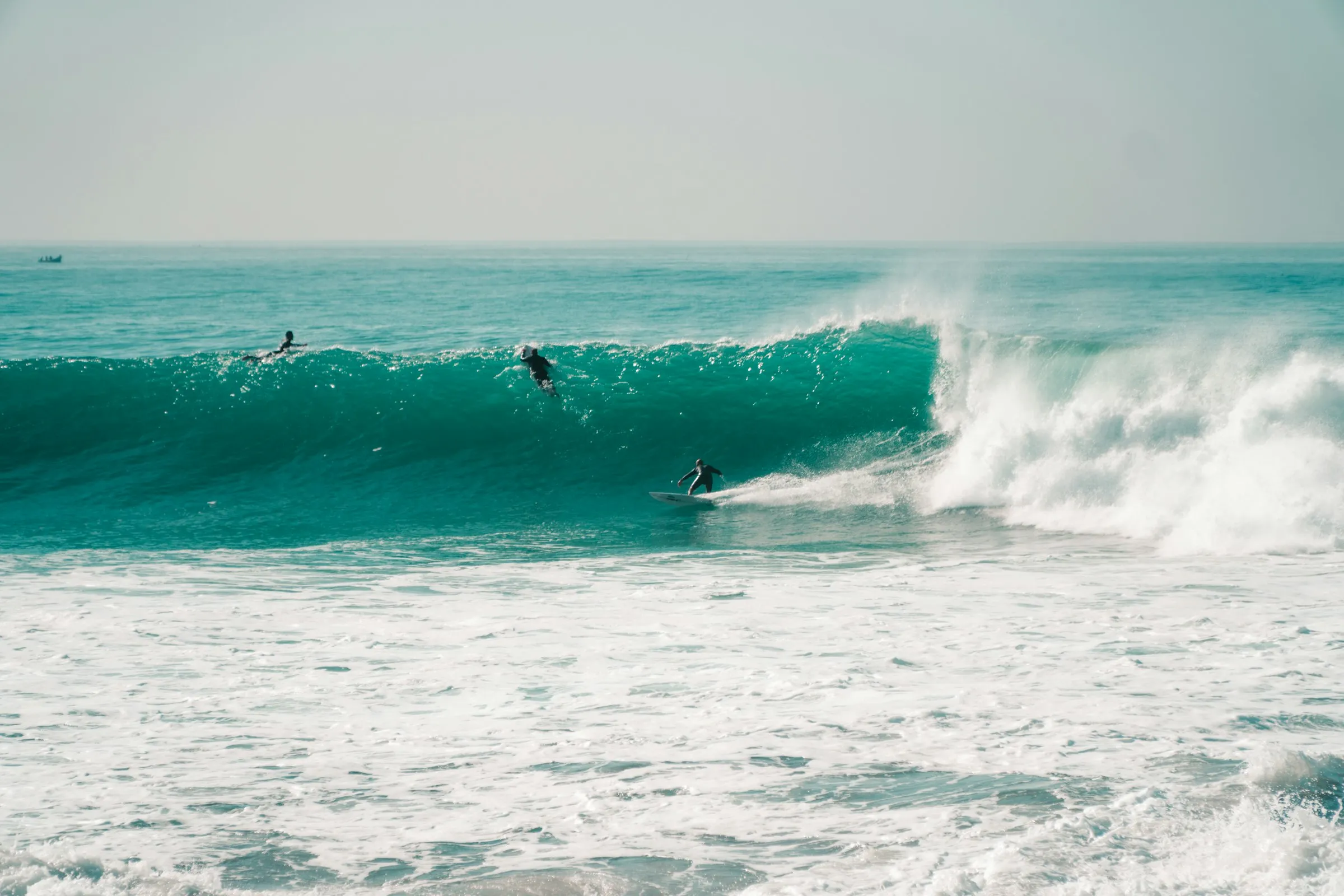
Yes. Ramadan changes the rhythm of life on land, not in the ocean. Swell, tides and wind at Imsouane follow the same patterns as in any other month. Magic Bay, a right-hand point break of roughly 800 metres, still peels over sand as it always does. Mornings are usually cleanest, and onshore wind tends to build after midday.
Ramadan is the ninth month of the Islamic lunar calendar. Observant Muslims fast from dawn to sunset, which means no food, no water and no smoking. They break the fast at sunset with a meal called iftar. The lunar year is about 11 days shorter than the solar year, so Ramadan comes earlier each year. Exact dates depend on the sighting of the new moon.
When does Ramadan fall in the next few years?
For the next few years, Ramadan falls during Morocco’s winter surf season, when north-west Atlantic swell is most consistent. The dates below are approximate and can shift by a day or so.
| Year | Approximate Ramadan period | Surf conditions at Imsouane |
|---|---|---|
| 2027 | Early February to early March | Consistent winter swell, with December to February the biggest and busiest stretch |
| 2028 | Late January to late February | Consistent winter swell |
| 2029 | Mid-January to mid-February | Consistent winter swell |
Water is around 17-20C at that time of year. A 3/2 wetsuit covers most of the year, though some people prefer a 4/3 on the coldest days.
What changes in a small village during Ramadan?
Imsouane is a working fishing village, not a resort town, so you will notice the change. The days are calmer. Some cafés and small restaurants close during daylight or open only in the late afternoon. Places that cater to visitors may stay open, but don’t count on it. Shops may open later in the morning than usual.
Late afternoon is usually the slowest part of the day. People have gone many hours without food or water, and energy runs low. Around sunset the streets empty as families gather to eat. After iftar the mood changes completely: cafés reopen, people go out visiting, and the village stays up late. You will also find seasonal food in the evenings: harira soup, dates, and chebakia, a sesame pastry soaked in honey.
| Aspect | What usually changes | What stays the same |
|---|---|---|
| Daytime | Quieter streets; some cafés closed until late afternoon | The harbour, the beach and the line-up |
| Sunset | Streets and roads empty as families break the fast | Sunsets over the Atlantic |
| Evenings | Busier and later than usual, with cafés open into the night | Warm hospitality |
| Road travel | Very little traffic around iftar; crowded and pricier around Eid | Routes and journey times otherwise |
| Alcohol | Many shops in larger towns stop or restrict sales | Nothing; plan on a dry trip |
| The ocean | Nothing | Swell, tides, wind and water temperature |
Do visitors have to fast?
No. Non-Muslim visitors aren’t expected to fast, and nobody will be offended that you eat. Moroccan law forbids Muslims from publicly breaking the fast during daylight. The law is aimed at Muslims, not foreign visitors, but eating openly in the street still comes across as thoughtless.
Surfing burns a lot of energy, so don’t skip water or food yourself. Eat and drink where you are staying, or keep a bottle in your bag and drink out of sight. Don’t stroll through the village with a snack in your hand.
How can you be a good guest during Ramadan?
- Eat, drink and smoke discreetly in daylight, especially around people who are fasting.
- Dress modestly away from the beach. People in the village appreciate covered shoulders and knees all year, and even more during Ramadan.
- Be patient in the late afternoon. Service can be slower, and people are tired.
- Keep the noise down late at night, when people are resting before the pre-dawn meal.
- Ask before taking photos, particularly of people praying or breaking their fast.
- Learn a greeting. ‘Ramadan Mubarak’ or ‘Ramadan Kareem’ is always welcome. If someone invites you to share iftar, say yes. It’s one of the warmest experiences Morocco offers.
How does Ramadan affect getting here?
Roads go very quiet around sunset while drivers stop to eat. Arriving mid-afternoon or after iftar is easier than arriving right at sunset. Eid al-Fitr marks the end of Ramadan and is one of the busiest travel periods of the year. Buses and shared taxis fill up, and fares are often higher than usual. Book transport early, and always agree a taxi fare before setting off.
We arrange airport transfers from Agadir (about 2 hours) or Marrakech (about 4 hours). Send us your flight details when you book. If your dates overlap with Ramadan, we confirm surf session timings and meal arrangements at the surf house directly when you book. Ask through our contact page.
Planning a surf trip around Ramadan
If you’re thinking about coming during Ramadan, start with our surf weeks or individual surf lessons. If you’d rather surf on your own, see board and wetsuit rental. For time off the water, have a look at our activities.