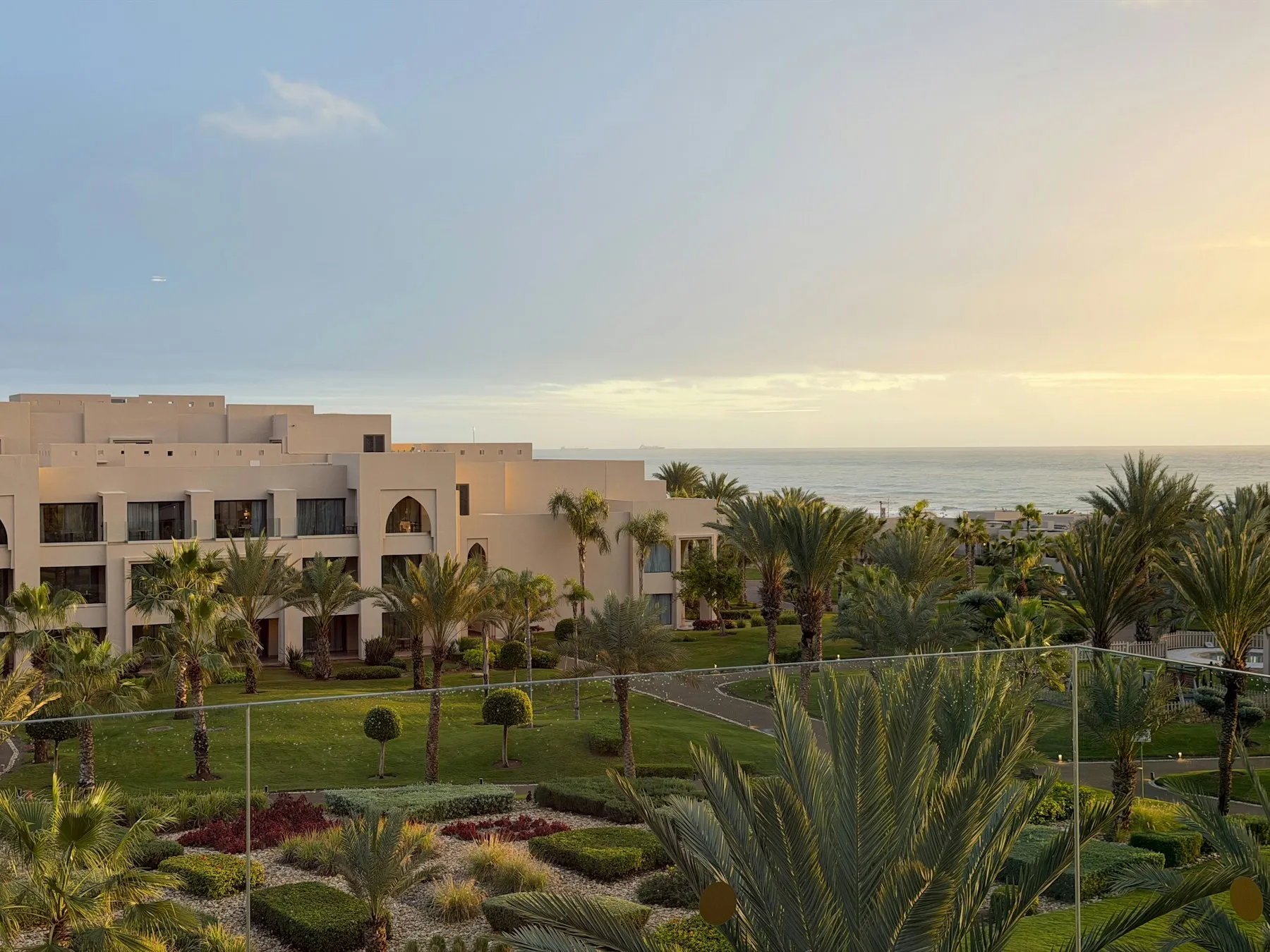
Three Atlantic destinations dominate the European surf-trip shortlist, and they are genuinely different trips rather than three versions of the same one. Portugal is the quick hop with the most variety. The Canaries are the winter warm-water option, mostly over reef. Morocco is the long, forgiving point break and the lowest daily costs, reached by a longer road transfer.
The comparison in one table
| Morocco (Imsouane) | Portugal (central coast) | Canaries (Lanzarote / Fuerteventura) | |
|---|---|---|---|
| Flight from northern Europe | Around 3.5-4 hours to Agadir | Around 2.5-3 hours to Lisbon, Porto or Faro | Around 4-4.5 hours |
| Airport to the water | About 2 hours from Agadir (AGA); about 4 from Marrakech | Usually 45 minutes to 1.5 hours from Lisbon | Usually 30-45 minutes |
| Most consistent swell | September to April | Roughly September to March | Roughly October to March |
| Biggest and busiest | December to February | Typically November to February | Typically December to February |
| Easiest for learning | May to August | Usually June to September | Usually May to September |
| Water, winter | 17-20C | Around 15-17C | Around 18-20C |
| Water, summer | 20-23C | Around 17-20C | Around 21-24C |
| Usual wetsuit | 3/2 for most of the year | 4/3 in winter, 3/2 in summer | 3/2 in winter, often a shorty late summer |
| Main wave type | Long sand-bottom right-hand point | Beach breaks plus points and reefs | Mostly lava reef, some beach breaks |
| Relative cost on the ground | Lowest | Moderate | Highest in peak weeks |
| Relative flight cost from Europe | Moderate | Lowest | Moderate to highest in peak |
The Imsouane figures are ours. The Portugal and Canaries figures are typical ranges from general surfing knowledge, not promises — check current conditions before you book.
How long does it actually take to get there?
Portugal wins on door-to-water time. Lisbon is roughly two and a half to three hours from most of northern Europe, and the surf towns north of the city are a short drive from arrivals. The Canaries take longer in the air but their airports sit close to the surf, so the drive is short.
Imsouane is the longest journey of the three. Agadir Al Massira (AGA) is the nearest airport and the road takes about two hours; Marrakech is an alternative at about four. We arrange transfers from either, and guests send flight details when booking. Over a long weekend that transfer matters. Over a week it disappears.
Which one costs least?
Flights to Portugal are usually the cheapest of the three from Europe, simply because it is the shortest and most heavily served route. Once you have landed, the order tends to reverse: Morocco is normally the least expensive place to eat, sleep and move around, the Canaries the most expensive in peak winter weeks, and Portugal somewhere in between and climbing along the Lisbon coast.
What moves the price in all three: season (Christmas, February half-term and Easter are the peaks), whether you carry a board bag, which airlines charge for separately, and the time of day you arrive, since late-night transfers cost more everywhere. In Morocco, agree any taxi fare before you set off — metered fares are the exception rather than the rule. We do not publish third-party costs, because they change constantly and a stale number is worse than none.
How cold is the water?
Imsouane sits at about 17-20C in winter and 20-23C in summer, and a 3/2 covers most of the year. Wetsuits in 3/2 and 4/3 are included in our lessons and surf weeks.
Portugal’s central coast is the cold one of the three — upwelling keeps it down even in August, and winter mornings there are a 4/3-and-boots affair for most people. The Algarve runs a little warmer. The Canaries are the warmest in winter, which is exactly why the islands fill up between December and February.
Which is best if you have never surfed?
Magic Bay is roughly 800 metres of right-hand point that peels over sand for much of its length. There is no reef underneath you and the wave gives you time, which is why it works for first-timers and experienced surfers on the same tide. May to August is the smallest and most forgiving window. We cap groups in the water at five and our coaches are ISA-certified.
Portugal has plenty of good learning beaches, but sandbanks shift and the popular ones get crowded in summer. In the Canaries, the famous waves break over shallow lava reef; there are beginner beaches, but you have to pick the island and the spot deliberately.
When is each place at its best?
| Months | Imsouane | Portugal | Canaries |
|---|---|---|---|
| Sep-Nov | Swell returns, water still warm, quieter than midwinter | Widely considered prime season | Season building |
| Dec-Feb | Biggest and busiest here | Big and cold | Peak season and busy |
| Mar-May | Swell easing through April, quieter line-ups | Still consistent, water at its coldest | Easing off |
| Jun-Aug | Smallest surf, best for learning | Smaller, with persistent summer north wind | Small, with steady trade winds |
Wind matters as much as swell. Here, mornings are usually the cleanest and onshore wind builds after midday, so we surf early. Portugal’s summer northerlies and the Canarian trades follow their own patterns.
When Morocco is not the right call
If you have three days, fly to Portugal — our transfer eats too much of a short trip. If you want bars, a big restaurant scene or a city within walking distance, Imsouane is a working fishing village with a harbour where the boats land, and it is quiet by design. If you are chasing heavy, powerful performance waves, Portugal’s better-known reefs and beach breaks deliver that more reliably than a sand-bottom point; Cathedral Point here is the more serious wave, but it breaks over rock and is not an everyday option. And if you want empty water, avoid December to February, which is our busiest stretch.
Anything not covered above — room details, timings, dietary questions, prices — we confirm directly when you book by WhatsApp or email, usually the same day.
If Morocco does fit, the surf weeks explain what a seven-night stay includes, the lessons page covers group, semi-private, private and kids sessions, rental lists boards and wetsuits, and activities covers the non-surfing days.