What is the difference between a soft-top and a hard board?
A soft-top (also called a foamie) has a foam deck, soft rails and usually a slick plastic bottom. Most beginner soft-tops are long, wide and thick, so they have a lot of volume.
A hard board is usually built from a foam core wrapped in fibreglass or epoxy. Shapes range from big longboards to narrow shortboards, but every hard board has a firm, sharp-edged shell that responds more directly to what you do with your feet.
The difference isn’t only the material. Soft-tops are designed to be forgiving. Hard boards are designed to perform.
Soft-top vs hard board: how do they compare?
| Soft-top | Hard board (longboard / mid-length) | Hard board (shortboard) | |
|---|---|---|---|
| Stability when standing | Very high | High | Low |
| Ease of paddling into waves | Easiest | Easy | Hardest |
| Injury risk from the board | Lowest | Moderate | Moderate to high (sharper nose and fins) |
| Turning and responsiveness | Limited | Smooth, drawn-out turns | Sharp and quick |
| Performance on steeper waves | Poor (tends to bog or nose-dive) | Good | Best |
| Duck-diving | Not practical | Not practical | Possible |
| Durability with rough handling | High | Dings fairly easily | Dings easily |
| Relative cost to rent or buy | Usually lowest | Moderate | Moderate to highest |
Neither type is better overall. They suit different stages of learning and different waves.
Why do beginners start on soft-tops?
In your first sessions most of the work happens in the whitewater: paddling, popping up and finding your balance. A soft-top helps with all three. The extra volume carries you into broken waves, the width keeps you steady while you get to your feet, and the foam takes the sting out of the knocks every beginner gets.
Safety matters too. Learner zones are often busy, and a loose soft-top is much less likely to hurt you or the person next to you than a hard board.
When should I switch to a hard board?
Go by skills, not by how many days you’ve surfed. These are the usual signs:
| Sign | What it looks like in the water |
|---|---|
| You catch green waves unaided | You paddle into unbroken waves without a push from a coach |
| Your pop-up is consistent | You stand up cleanly most of the time, not now and then |
| You ride across the face | You angle left or right instead of going straight to the beach |
| The soft-top holds you back | The board bogs in turns or nose-dives on steeper drops |
| You handle yourself in the line-up | You know the priority rules and can get back out without help |
If you can tick off most of these, a hard board will probably speed up your progress. If you can’t yet, switching early often means catching fewer waves and losing confidence.
What should my first hard board be?
Most surfers move first to a longboard, mini-mal or mid-length. These shapes keep much of the paddle power and stability you’re used to, and they reward a better stance and trim with more speed and smoother turns.
Jumping straight to a shortboard is the most common mistake. You lose volume, stability and paddle speed all at once, and you usually end up catching far fewer waves for a while.
When is a soft-top still the better choice?
Switching isn’t permanent. Plenty of experienced surfers still ride soft-tops:
- Small, weak days, when the extra float helps you catch waves that a hard board would struggle with.
- Crowded or mixed-ability line-ups, where a softer board is safer for everyone.
- Kids and nervous surfers, for whom comfort and confidence count for more than performance.
- Days when you just want to have fun, without worrying about dings.
Is Imsouane a good place to make the switch?
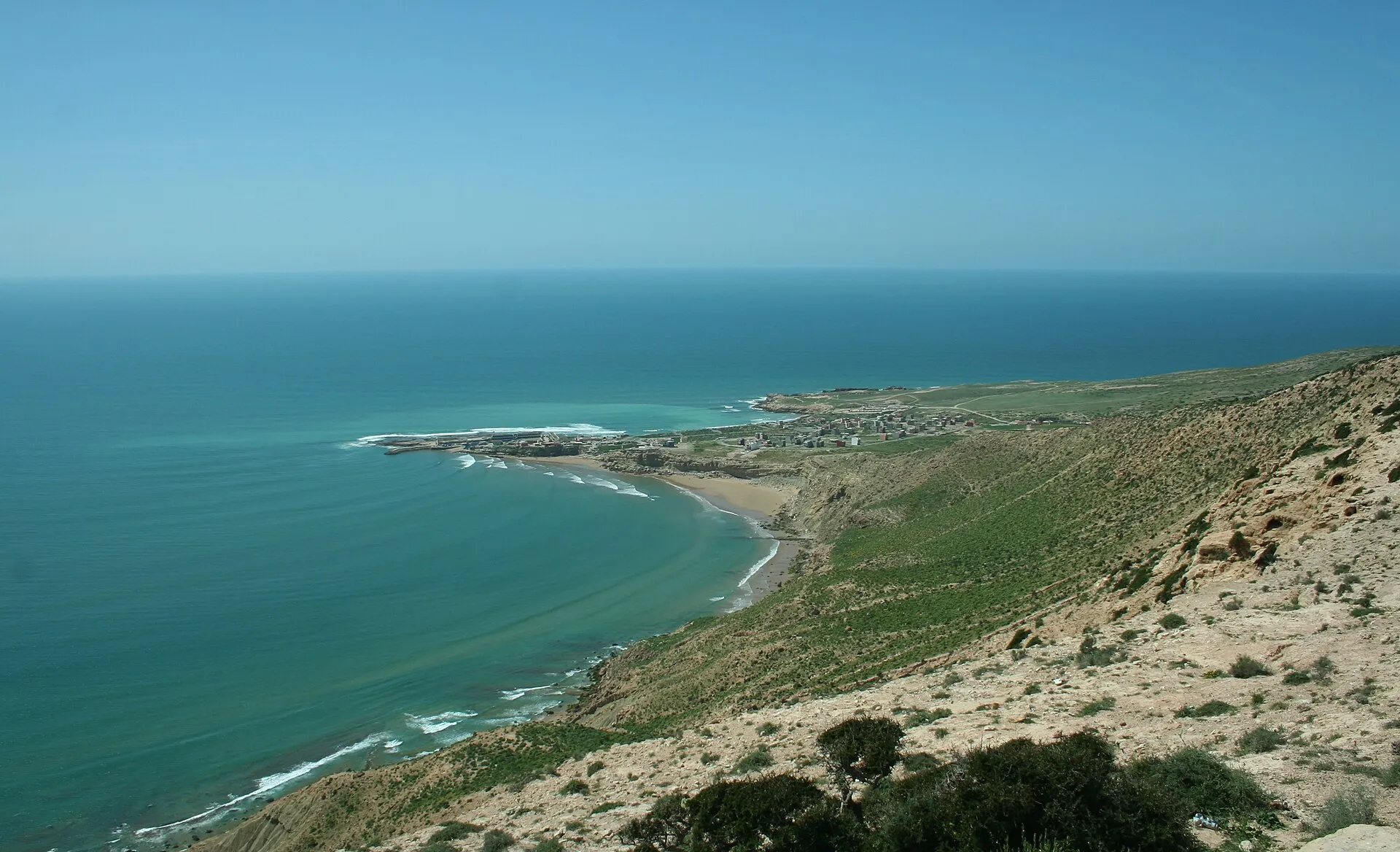
Magic Bay is a long right-hand point break, roughly 800 metres, that peels over sand for much of its length. Long rides give you plenty of time on a new board in every wave, and a sandy bottom is kinder than rock when you fall. Cathedral Point, on the exposed side of the headland, is more powerful and breaks over rock, so leave it until you’re comfortable on a hard board.
Timing matters as well. May to August usually brings the smallest swell, which suits beginners. September to April is more consistent, and December to February brings the biggest waves and the most surfers. Mornings are usually cleanest, before onshore wind picks up after midday.
To be fair, we’re not the right choice for everyone. If you already ride a shortboard well and mainly want heavy, hollow waves, a summer trip will probably disappoint you. And if you only need a board for a day or two, renting from us without booking a camp may be all you need.
How we can help
Boards and wetsuits are included in all our surf lessons and surf weeks, and our ISA-certified coaches can help you decide when you’re ready to move up. Private coaching includes video analysis, and the Surf Development Week is built for intermediate surfers working on their progression. To try different boards in your own time, see board and wetsuit rental. For days out of the water, see our activities.